

The 4 Signers of the Declaration of Independence from Maryland
Updated: Jun 23
 Born: Abington, MD Age when signing: 35 years old Religious Belief: Anglican Occupation: Lawyer, Plantation Owner Achievements: 3rd Governor of Maryland 1st U.S. Federal Judge for the District Court of the District of Maryland Sacrifices made during the Revolution When the Continental Congress and state funds fell short, Paca stepped forward and spent several thousand dollars of his own money to personally purchase weapons, uniforms, and vital supplies for the Maryland troops. . |
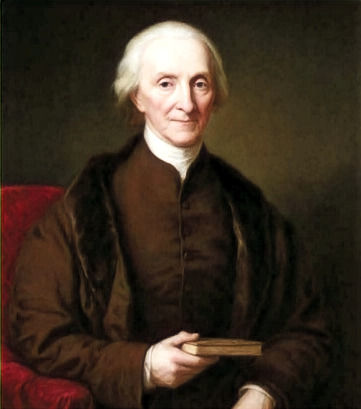 Born: Annapolis, MD Age when signing: 38 years old Religious Belief: Catholic Occupation: Merchant, Lawyer, Plantation Owner Achievements: United States Senator for Maryland Sacrifices made during the Revolution Carroll was the heir to a massive agricultural, mercantile, and real estate empire in Maryland, which included the sprawling Carrollton Manor and Doughoregan Manor. Had the Revolution failed, the British Crown would have legally confiscated every single acre of his land and seized his entire fortune, which was estimated to be worth around £375,000 at the time (equivalent to hundreds of millions of dollars today). Carroll deeply involved himself in the financial mechanics of the war. He served on the Board of War and personally advanced massive sums of money and credit to secure arms, clothing, and food for the Continental Army.
 Born: Somerset Co., MD Age when signing: 35 years old Religious Belief: Anglican Occupation: Lawyer
Achievements: United States Supreme Court Justice Sacrifices made during the Revolution In 1765, he co-founded the Annapolis Sons of Liberty. He personally led armed, angry crowds through the streets of Maryland to hang British officials in effigy, burn stamp warehouses, and ensure the Crown's Stamp Act could not be enforced—acts that carried a guaranteed sentence of death for treason if captured.
 Born: Boston, MA Age when signing: 33 years old Religious Belief: Episcopalian Occupation: Lawyer Achievements: President of the Continental Congress
Member of the Maryland Senate
Sacrifices made during the Revolution In 1776, as the Continental Congress was debating independence in Philadelphia, Stone’s beloved wife, Margaret, traveled to the city to visit him. To protect her from a raging smallpox outbreak, she was given an early, crude form of smallpox inoculation. Instead of protecting her, it permanently ruined her health and triggered a painful, chronic illness that plagued her for the next decade. Devastated by his wife's declining health, Stone declined prestigious appointments, walked away from high-level politics, and refused to return to the Continental Congress so he could remain at his plantation, Habre de Venture, to personally care for her.
|


Comments